Lime 'Mexican-Key' Standard - 5 Gallon
Lime 'Mexican-Key' Standard - 5 Gallon
PLEASE NOTE:
All Citrus Orders are Final
PLEASE NOTE:
All Citrus Orders are Final
How to get your product
 Instore Pickup Available
|
|||||||||||||||||||||


 |
Chill Time
|
Many stonefruits and pomefruits, such as apples, apricots, cherries, nectarines, peaches, pears, plums and their relatives, require a level of winter "chill hours" to set a crop the following summer. Chilling requirements can vary widely from one variety to another and fruit selections should be made carefully. A fruit variety’s chilling requirement is a key determinant of where it will consistently produce satisfactory crops of fruit.
Several online maps and resources are available, but essentially all of urban Orange County is "low-chill". The closer to the coast the lower the chill hours, and some of the foothill and canyons offer a bit more chill. The milder your winters, the lower your "chill hours".
A very though explantion about fruit tree chilling requirements can be found HERE
 |
Mature Height & Width
|
Height and width of fruit trees is often very miunderstood. The sizes listed here are of reasonably mature trees, perhaps 15-20 years old and with no size-limiting pruning.
Most deciduous fruit trees, such as apples, apricots, cherries, nectarines, peaches, pears, plums and their relatives, can be quite successfully maintaned at a much smaller size than shown, even up to 50% of the size indicated. Manageing the size of a fruit tree is best accomplished by "summer pruning". Winter pruning is important to develope a strong plant structure and for improved fruit production. However, tree size in managaged with summer pruning.
For a thorough discussion of both summer and winter pruning see THIS
A series of outstanding videos on fruit tree pruning can be seen HERE
 |
Fruit Harvest Time
|
Home fruit tree choices, especially when several fruits are involved, should always plan for successive ripening periods. Careful planning can insure ripe, fresh fruit for months, rather than being overwhelmed for a few weeks.
These ripening dates provided here are reasonably accurate, but may vary slightly depending upon location and variations in climate.
|
|||||||||||||||||||
 |
Chill Time
|
Many stonefruits and pomefruits, such as apples, apricots, cherries, nectarines, peaches, pears, plums and their relatives, require a level of winter "chill hours" to set a crop the following summer. Chilling requirements can vary widely from one variety to another and fruit selections should be made carefully. A fruit variety’s chilling requirement is a key determinant of where it will consistently produce satisfactory crops of fruit.
Several online maps and resources are available, but essentially all of urban Orange County is "low-chill". The closer to the coast the lower the chill hours, and some of the foothill and canyons offer a bit more chill. The milder your winters, the lower your "chill hours".
A very though explantion about fruit tree chilling requirements can be found HERE
 |
Mature Height
& Width |
Height and width of fruit trees is often very miunderstood. The sizes listed here are of reasonably mature trees, perhaps 15-20 years old and with no size-limiting pruning.
Most deciduous fruit trees, such as apples, apricots, cherries, nectarines, peaches, pears, plums and their relatives, can be quite successfully maintaned at a much smaller size than shown, even up to 50% of the size indicated. Manageing the size of a fruit tree is best accomplished by "summer pruning". Winter pruning is important to develope a strong plant structure and for improved fruit production. However, tree size in managaged with summer pruning.
For a thorough discussion of both summer and winter pruning see THIS
A series of outstanding videos on fruit tree pruning can be seen HERE
 |
Fruit Harvest Time
|
Home fruit tree choices, especially when several fruits are involved, should always plan for successive ripening periods. Careful planning can insure ripe, fresh fruit for months, rather than being overwhelmed for a few weeks.
These ripening dates provided here are reasonably accurate, but may vary slightly depending upon location and variations in climate.
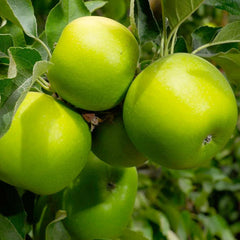
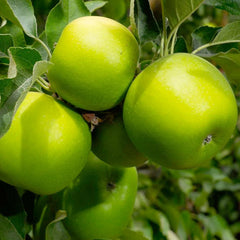
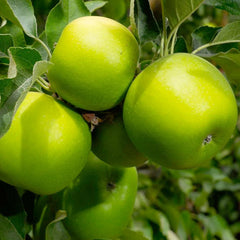
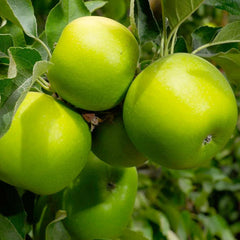
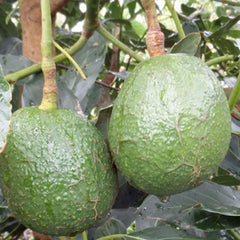
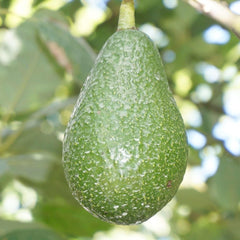
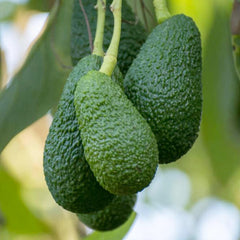
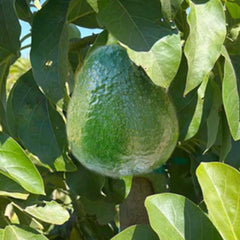
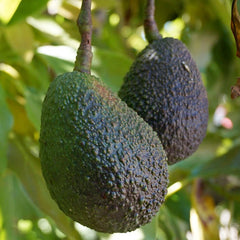
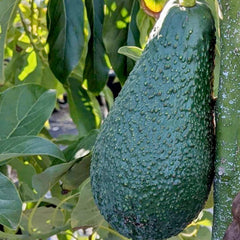
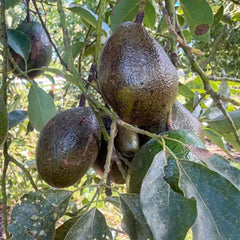
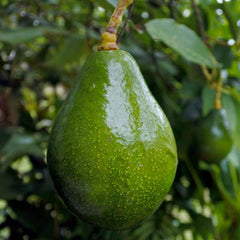
The Mexican (Key) lime tree, also known as West Indian lime, is an evergreen fruit tree growing 6-13 (semi-dwarfs about 1/2 to 2/3 that size) feet tall with fragrant flowers and small green-yellow limes. It is sensitive to cold, tolerating frost damage at 32°F, but it thrives in zones 10 and 11, like Southern California. It needs full sun (8+ hours daily) and prefers well-drained, sandy loam soil. Regular watering is essential, especially during dry spells. Mexican limes are harvested when green but can be left on the tree to turn yellow for increased sweetness. The fruit is juicy and tart with a distinctive fragrance, ideal for pies, drinks, or fresh use. Although it is a prolific producer and can bear fruit year-round, the heaviest production is usually in October and November. They are commonly grown for their edible qualities. This is a thorny tree.
CITRUS DETAILS
Citrus Type: Limes
Fruiting Harvest Time: Fall to Spring
Climate: Coastal
Seeds: Seedy
Pollination Needs: Self-Pollinating
Standard / Semi-Dwarf: Standard
Flavor: Bitter
Plant Size: Small to Medium
Delivery: Direct From Roger's Gardens Professionals**
All citrus are sold with a three-year plant guarantee.
* Actual weight may vary
** Please allow 8 business days for delivery or in-store pick up.

More from this Collection