Create a Serene & Soothing SpaceCreate a Serene & Soothing Space
 |
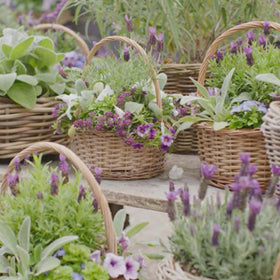
Immerse yourself in the serene beauty of lavender during our "Lavender Market," an event celebrating the charm of this beloved herb. Explore a variety of lavender plants, indulge in aromatic fragrance sampling, and savor gourmet lavender-infused foods. Pamper yourself with our exclusive lavender bath and body products, perfect for relaxation and rejuvenation. Join us for an enchanting experience that promises blooms, fragrance, and beauty in every moment. |
 |
Immerse yourself in the serene beauty of lavender during our "Lavender Market," an event celebrating the charm of this beloved herb. Explore a variety of lavender plants, indulge in aromatic fragrance sampling, and savor gourmet lavender-infused foods. Pamper yourself with our exclusive lavender bath and body products, perfect for relaxation and rejuvenation. Join us for an enchanting experience that promises blooms, fragrance, and beauty in every moment. |
Lavandula
'Lavance Deep Purple'Lavandula
'Lavance Deep Purple'
'Lavance Deep Purple'
'Lavance Deep Purple'

Plant Information: |
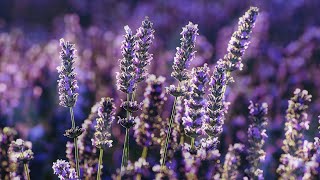
Lavandula 'Lavance Deep Purple' is an absolute gem in the garden! This compact English lavender bursts with intense, velvety deep purple flower spikes that hold their rich color beautifully through summer without fading.
|

|
|
Plant Information: |
|
Lavandula 'Lavance Deep Purple' is an absolute gem in the garden! This compact English lavender bursts with intense, velvety deep purple flower spikes that hold their rich color beautifully through summer without fading.
|
Southern California
Garden Lavenders
Lavenders are among the most versatile and rewarding plants for Southern California gardens. Their fragrant foliage, colorful flowers, drought tolerance, and pollinator value make them favorites for landscapes, containers, borders, and herb gardens. Most lavenders thrive in full sun, well-drained soil, and moderate to low water once established.
| Lavender Type | Information |
|---|---|
|
Dutch or Lavandin (Lavandula x intermedia) 
|
Lavandins are among the most popular lavenders for Southern California landscapes due to their vigorous growth, strong fragrance, and long flower stems. These hybrids generally grow 3–5 feet tall and wide, forming large rounded shrubs ideal for hedges, borders, and mass plantings. The flower spikes are long and elegant, typically blooming in shades of lavender-purple from late spring through much of summer. Their rich fragrance makes them favorites for dried arrangements, sachets, oils, and crafts. Varieties such as ‘Grosso’ and ‘Provence’ are especially popular. Lavandins are easy to grow in full sun with excellent drainage and low to moderate water. Annual pruning after flowering helps maintain a dense, attractive shape. |
|
English (Lavandula angustifolia) 
|
English lavender is prized for its refined fragrance, compact habit, and culinary qualities. Plants typically mature at 18–30 inches tall and wide with neat gray-green foliage and abundant flower spikes in shades of purple, blue, pink, or white. This species is especially valued for cooking and baking because its fragrance is sweeter and less camphor-like than many other lavenders. Flowers are often used in teas, desserts, syrups, and herb blends. Bloom season usually peaks in late spring and early summer. English lavender performs best in sunny locations with sharply drained soil and moderate watering. Light annual pruning helps prevent woody growth and encourages repeat blooming. |
|
Spanish (Lavandula stoechas) 
|
Spanish lavender is one of the most ornamental lavender types, recognized by its distinctive flower heads topped with colorful “rabbit ear” bracts. Compact plants typically grow 18–36 inches tall and wide with aromatic gray-green foliage. Flower colors range from deep purple to pink and white, often blooming from late winter into summer in Southern California gardens. Spanish lavender is highly attractive to bees and butterflies and performs beautifully in containers, borders, and water-wise landscapes. This is one of the easiest lavenders to grow, tolerating heat, drought, coastal conditions, and poor soils. Removing spent flowers encourages continued blooming over a very long season. |
|
French (Lavandula dentata) 
|
French lavender is admired for its soft texture, finely toothed foliage, and exceptionally long bloom season. Plants typically grow 2–4 feet tall and wide with a relaxed, informal growth habit well suited to cottage and Mediterranean-style gardens. Pale lavender-purple flower spikes can appear nearly year-round in mild coastal climates. The fragrant gray-green foliage adds beauty even when plants are not in bloom. French lavender is highly adaptable and easy to maintain, thriving in full sun and well-drained soils. Occasional trimming encourages fuller growth and additional flowers. |
|
Fernleaf (Lavandula pinnata) 
|
Fernleaf lavender has a softer, more delicate appearance than traditional lavenders due to its finely divided silver foliage. Plants usually grow 2–3 feet tall and wide with airy stems carrying violet-blue flowers over a long blooming season. Its feathery texture makes it especially attractive in containers, mixed borders, and smaller gardens. The foliage has a pleasant lavender fragrance, though lighter than English or Lavandin types. Fernleaf lavender performs best in mild climates with good drainage and moderate watering during extreme heat. Light pruning helps maintain a compact, attractive form. |
|
Sweet (Lavandula heterophylla) 
|
Sweet lavender is a fast-growing species known for its highly fragrant foliage and graceful mounding habit. Plants generally reach 3–4 feet tall and wide and bloom with soft lavender-purple flower spikes through much of the warm season. The foliage releases a sweet herbal scent when brushed, making this lavender especially useful near patios, pathways, and outdoor seating areas. Its loose, airy appearance works well in informal garden settings. Sweet lavender tolerates heat and drought very well once established and responds nicely to periodic shaping and pruning. |
|
Fringed (Lavandula x allardii) 
|
Fringed lavender is a robust hybrid valued for its fuzzy silver-green foliage, long bloom season, and exceptional garden durability. Plants commonly grow 3–5 feet tall and wide, forming substantial shrubs covered with lavender-blue flowers. The aromatic foliage remains attractive throughout the year and provides beautiful contrast in Mediterranean and low-water landscapes. Fringed lavender is especially well adapted to Southern California heat, drought, and coastal influence. Minimal maintenance is required beyond occasional pruning to maintain shape and encourage fresh growth. |
|
Wooly (Lavandula lanata) 
|
Wooly lavender is best known for its striking silver-white foliage covered in soft fuzzy hairs. Plants typically grow 2–3 feet tall and produce rich purple flower spikes in late spring and summer. Its bright silvery foliage creates outstanding contrast with darker green plants and looks especially beautiful in dry gardens, rock gardens, and Mediterranean landscapes. The foliage is also highly aromatic. Wooly lavender thrives in hot, sunny conditions with excellent drainage and very little summer water once established. Avoid overly rich soils or excessive irrigation. |
|
Hybrids (including Goodwin Creek) 
|
Hybrid lavenders combine desirable traits from several species, often producing plants with improved bloom, foliage color, heat tolerance, or extended flowering seasons. One of the most popular is ‘Goodwin Creek Grey’, known for its striking silver foliage and nearly continuous flowering. Most hybrids grow 2–4 feet tall and wide and perform exceptionally well in Southern California gardens. Flower colors vary from pale lavender to deep violet, often accompanied by highly fragrant foliage. These lavenders are generally easy to grow in sunny, well-drained locations and benefit from occasional deadheading and annual shaping. Their versatility makes them excellent choices for containers, pollinator gardens, borders, and low-water landscapes. |